
Slab Leak in a Rental: Who Pays, Landlord or Tenant?
Slab leak in your Apache Junction rental? Arizona law usually makes the landlord pay, but only after proper written notice. The notice rules, deadlines, and remedies.
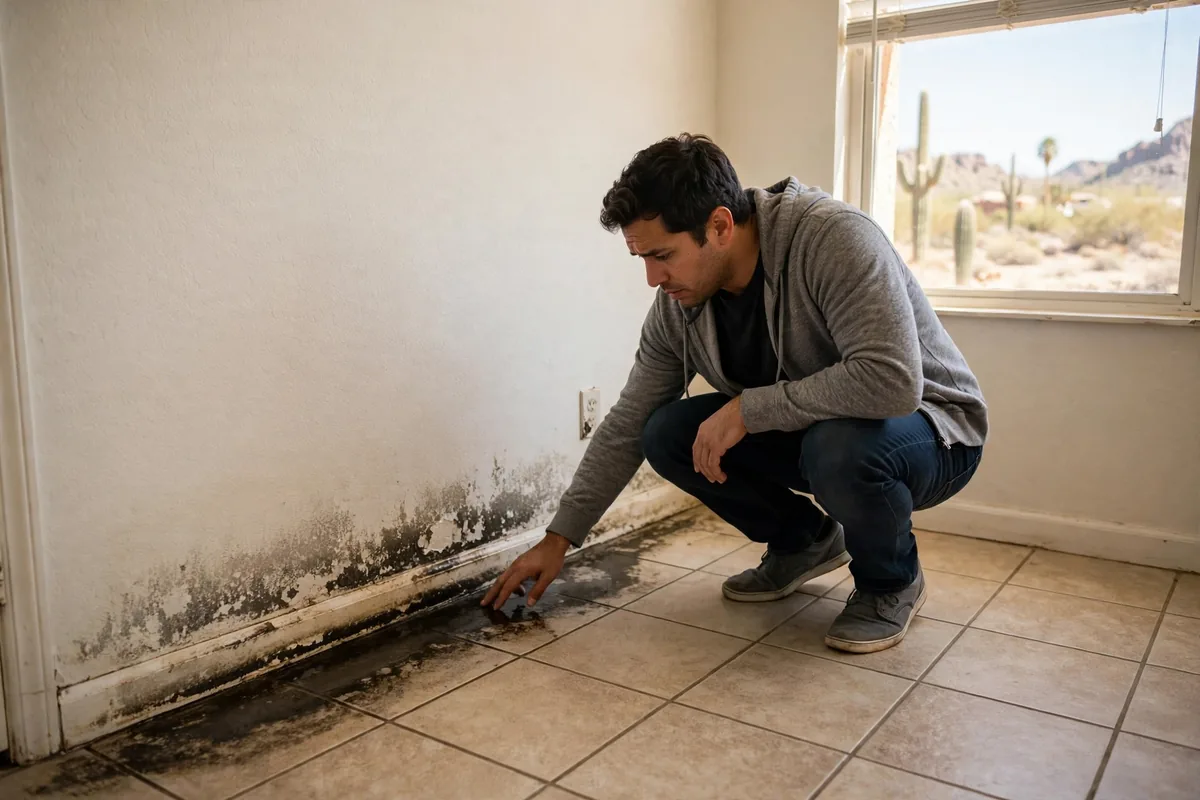
The short answer: in Arizona, the landlord pays for a slab leak repair, almost always. A slab leak is a plumbing system failure, and the Arizona Residential Landlord and Tenant Act requires landlords to keep the plumbing in fit, working condition. So the repair bill belongs to the landlord, not the renter. But here is the part renters get wrong: the landlord's duty kicks in only after you give proper written notice. Follow the notice rules below and you keep every remedy the law gives you. Skip them, and you hand a stalling landlord an excuse.
If you have not confirmed the leak yet, do that before you argue about who pays. A water meter test takes about 15 minutes and proves water is escaping somewhere it should not. Once you know, the payment rules below apply to every rental in Arizona, including Apache Junction.
Who pays for a slab leak in an Arizona rental?
The landlord. Arizona law, A.R.S. section 33-1324, says the landlord must maintain the premises in a fit and habitable condition, and it specifically lists plumbing, running water, and reasonable hot water among the landlord's duties. A slab leak is not a gray area. It is a broken supply or drain line under the concrete, and fixing it is the textbook example of a repair the tenant cannot make and should not pay for.
This holds even when the leak is invisible and slow. Our slab leak symptoms guide shows how these leaks announce themselves: a warm spot on the floor, the sound of running water, a climbing water bill. When any of those show up in your rental, report them in writing, which brings us to the step that actually protects you.
When could the bill fall on the tenant?
There are narrow exceptions, and landlords lean on them hard, so know where the line is:
- You caused the damage. If you or a guest broke a pipe by driving a nail into the slab or crushing an exposed line, the repair is yours. Normal use is never "damage."
- You never told the landlord. Arizona tenants have a duty to notify the landlord in writing when something needs repair. If a small leak becomes a mold problem because you stayed quiet for months, the failure to notify can shift some of the responsibility to you.
- Watch out for lease clauses. Some leases say the tenant handles all repairs. Those clauses cannot waive the landlord's habitability duties under state law. A clause that makes you pay for a slab leak is the kind a court throws out, because the statute overrides the lease.
Everything else, a pinhole in 40-year-old copper, a cracked drain line, a hot line failing under the floor, is age and soil and water chemistry doing what they do in Arizona. That is the landlord's bill. Our escalation timeline shows what happens when nobody acts, and it is never cheaper to wait.
Step one is always the written notice
Everything in Arizona tenant law runs on written notice. A phone call or a hallway chat does not start the legal clock. Do it in this order:
- Document everything. Photograph the damp spots, stains, and any visible damage, with dates. Save the water bills that show the spike. If you can, do the water meter test and write down the result. This file becomes your evidence if anything is disputed later.
- Write the notice. State the problem plainly, the date, the address, and ask for repair. Arizona's rules work best when your notice also states what you intend to do if the landlord does not act, because that preserves your legal options. Keep the tone factual. One page is enough.
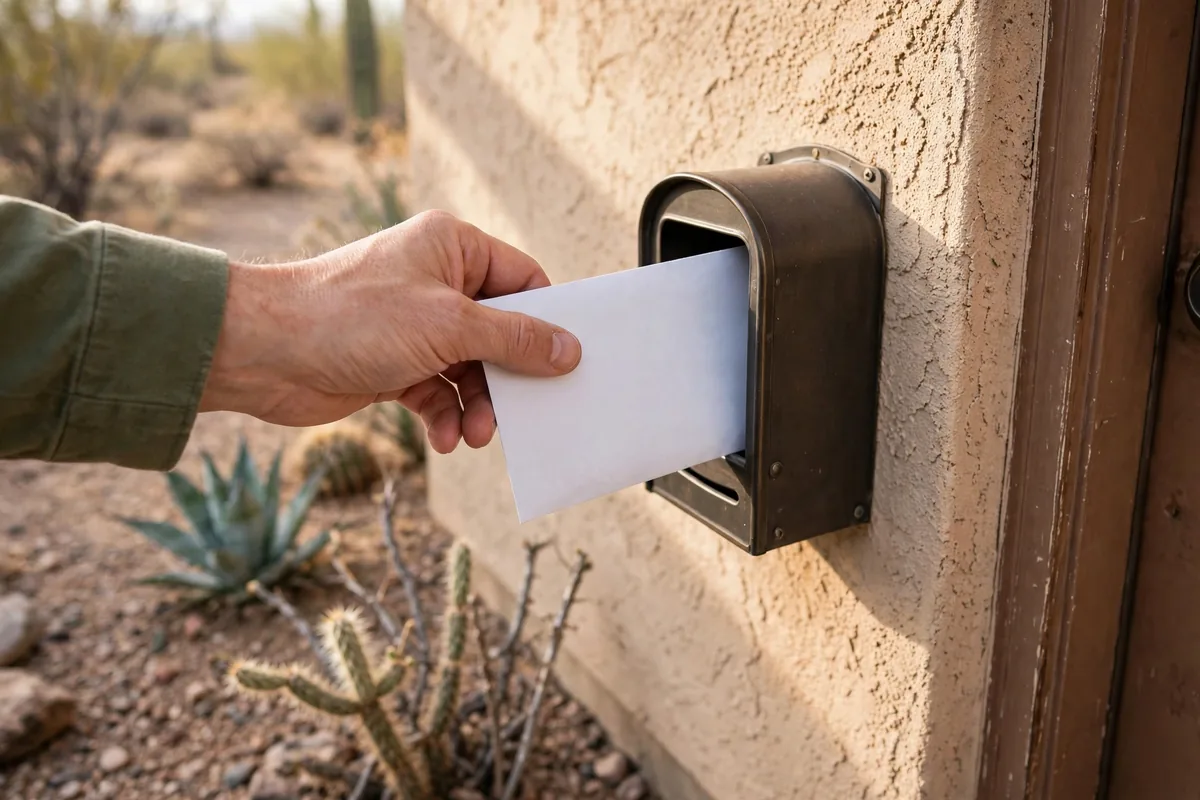
- Deliver it in writing and keep proof. Email counts, and so does hand delivery with a witness or certified mail. Keep copies of the notice and the delivery proof. Do not rely on a text message alone.
- Keep paying rent normally. Nothing about a leak suspends your rent obligation, and falling behind gives the landlord a weapon you do not want to hand them.
How long does the landlord have to fix it?
Arizona gives the landlord 10 days after written notice to make the repair. When the problem affects health or safety, the deadline shrinks to 5 days. A slab leak with no hot water, standing water, or visible mold falls squarely in the 5-day category. A slow, hidden supply leak with no immediate health impact sits in the 10-day category, but do not let that distinction make you casual. Water under a slab never improves on its own.
The deadline matters because your remedies start when it expires. Mark the date the landlord received your notice, not the date you sent it, and count from there.
What if the landlord does nothing?
Once the deadline passes, Arizona gives you two real remedies. Pick the one that fits your situation:
- Repair and deduct. You can have the repair done by a licensed professional and deduct the cost from your rent. The cap is $300 or one half of your monthly rent, whichever is greater. A slab leak repair can exceed that cap, so this remedy fits detection and smaller fixes better than a full repipe. Get it done by a licensed contractor and keep every receipt.
- Terminate the rental agreement. If the landlord fails to fix the problem after proper notice, you can end the lease and move out. This is the heavy option, and it is there precisely for landlords who ignore serious habitability problems.
Notice what is not on the list: simply stopping rent payments. Arizona does not give tenants a free-standing right to withhold rent over a repair dispute. Rent withholding without following the legal remedies can get you evicted for nonpayment, which is the opposite of what you want. If you are weighing rent withholding, talk to a tenant attorney first.
Who pays for the damage, not just the pipe?
The repair and the damage are two different bills, and tenants confuse them:
- The pipe and the dwelling. Fixing the leak and repairing the home itself is the landlord's job, full stop.
- Your belongings. The landlord's insurance covers the building, not your furniture, electronics, or clothes. That is what renter's insurance is for. If you rent in Arizona and do not have it, a slab leak is the cheapest lesson you will ever get about buying it.
- The water bill spike. A slab leak can quietly double a water bill for months. The landlord is not automatically on the hook for the excess, but it is absolutely worth asking, in writing, for them to cover it. Document your meter readings and the bill history. See our high water bill guide for how to build that paper trail.
- Mold. If the leak ran long enough to grow mold under the flooring, remediation is part of making the home habitable again, which is the landlord's duty. Our slab leak and mold guide covers how fast it grows and why it matters for health.
- Your security deposit. Damage from a slab leak you reported is not damage the landlord can charge against your deposit. Keep the notice and the photos; they are your defense at move-out.
What landlords in Apache Junction should know
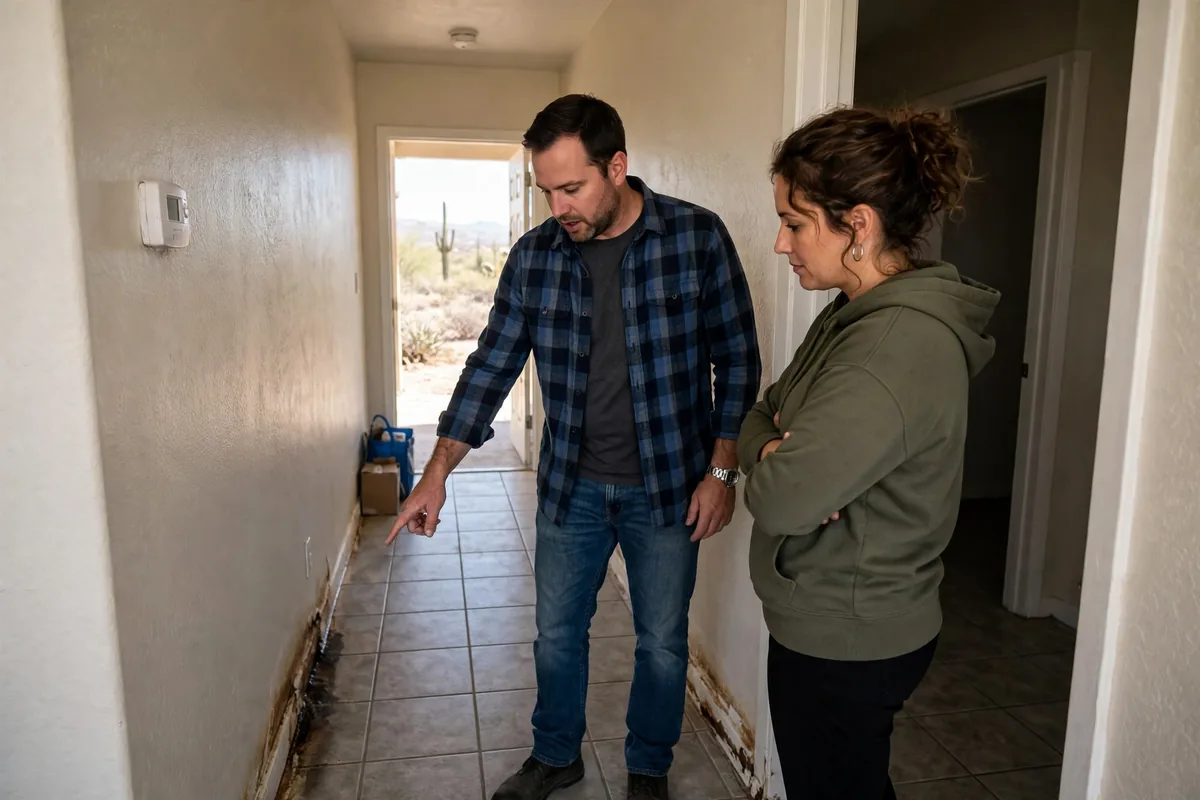
If you own the rental, the cheapest move is a fast one. The legal clock starts when the tenant's written notice lands, and every week of delay adds damage, mold risk, and tenant remedies to your bill. A pressure test and acoustic location take 1 to 2 hours and settle the "is it really a leak" argument instantly. Our repair timelines guide and cost guide show what each method runs, and the slab leak repair service page covers the methods themselves.
Two practical notes. First, for active water intrusion you can enter the unit to address the emergency, but for routine repair access give proper notice to the tenant. Second, document everything too: the detection report, the repair invoice, the before and after photos. If the tenant later claims the damage came from your delay, that file is your answer. And if insurance enters the picture, read our slab leak insurance guide and the denied claim playbook before you file.
We document slab leaks for rentals every week
Tenants call us to prove the leak exists. Landlords call us to locate it before the repair crew arrives. Either way, you get the same thing: a pressure test, acoustic location, and a written detection report you can attach to your notice, your work order, or your insurance file. How detection works explains the process step by step.
If water is coming up through the floor right now, do not wait for paperwork. Call (480) 885-4943 or use the contact page. Our emergency leak repair line runs 24 hours a day, 7 days a week, and our full services cover detection and repair across Apache Junction. One detection appointment, one written report, and the argument about who pays stops being an argument.
This post is general information about Arizona tenant law, not legal advice. For a live dispute, talk to an Arizona tenant attorney.