Direct access and pipe repair
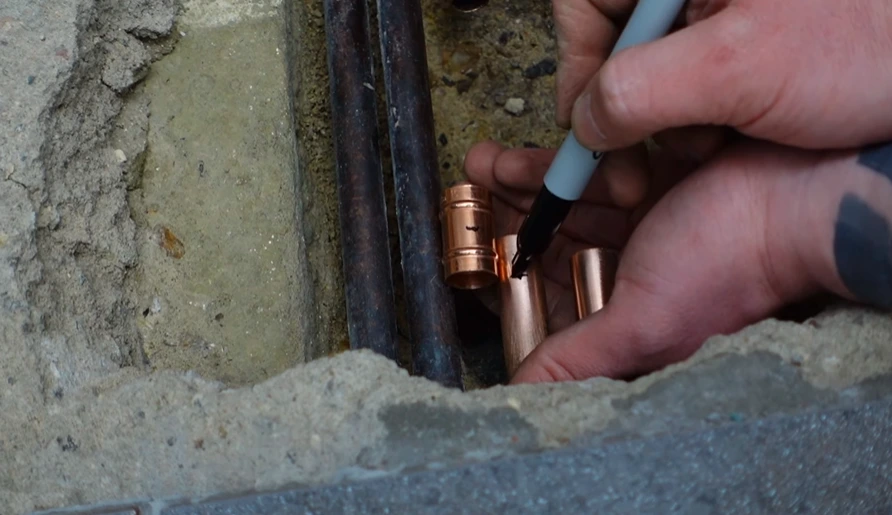
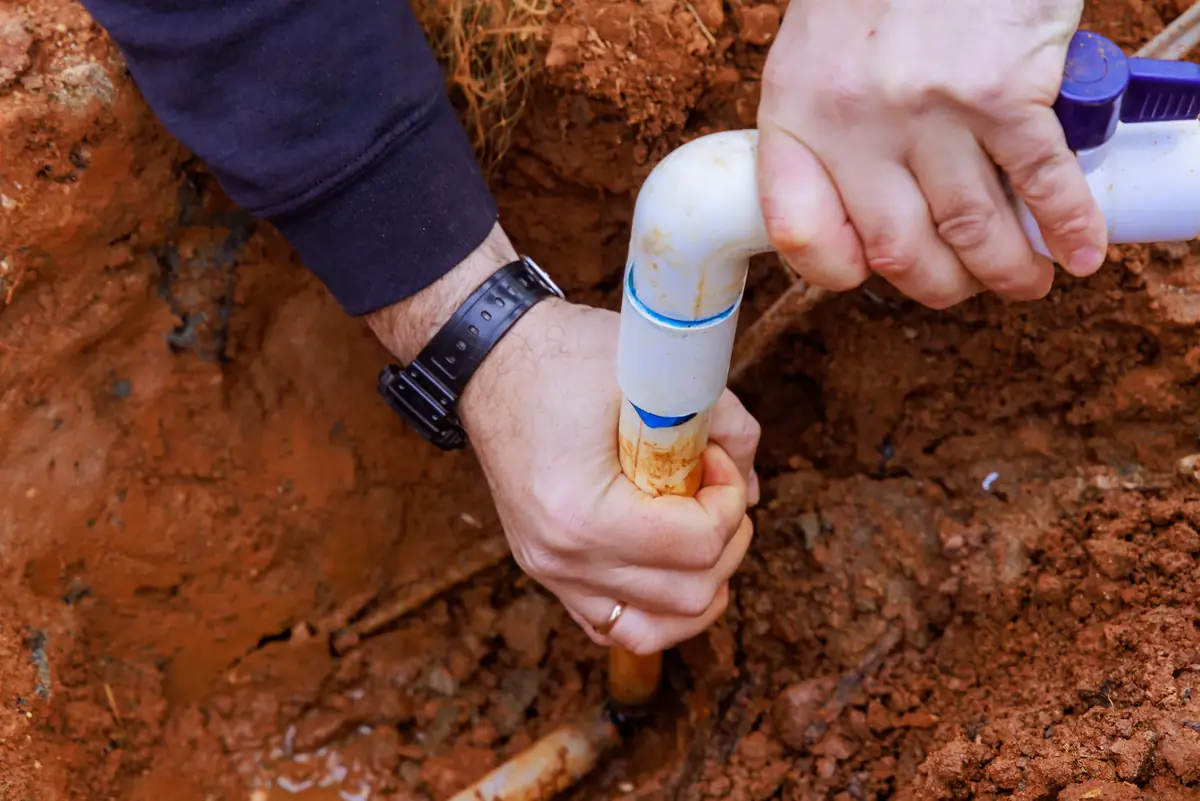
The floor and slab are opened at the leak, the damaged section of pipe is repaired or replaced, and the surface is restored. It may make sense for a single leak in otherwise sound pipe.
Slab leak repair
Once a slab leak has been located, the next question is how to fix it. There are three main routes: repairing the pipe where it leaks, rerouting the line around the slab, or repiping more of the house. This page explains each one, what a repair involves, and how to decide.
Quick answer
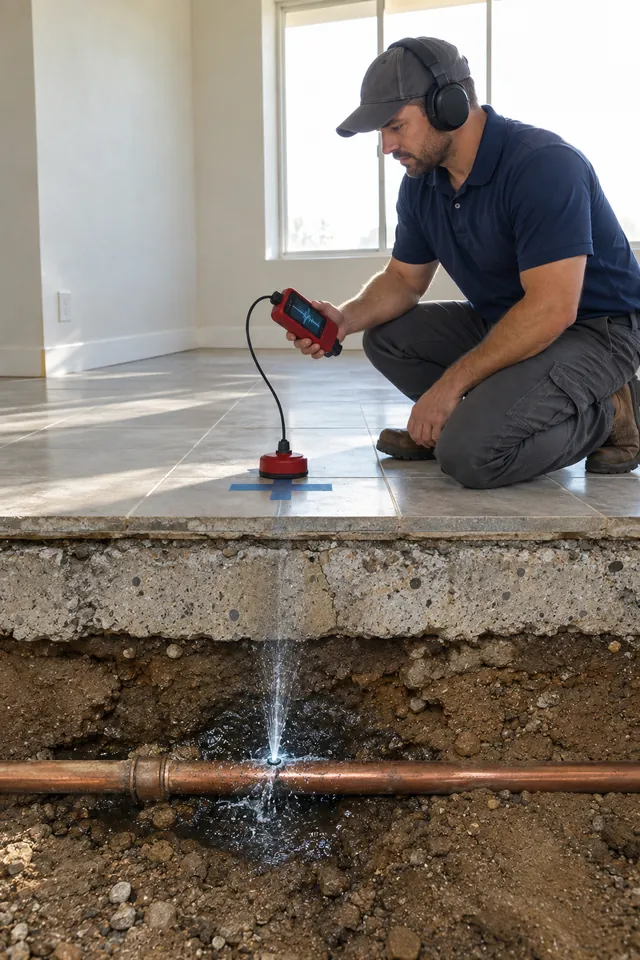
Every repair starts with a confirmed location. If the leak has not been pinpointed yet, see how professional slab leak detection works before deciding anything. Once the line and the spot are known, the options can be compared properly, with the scope and price explained before work begins.
If water is actively spreading right now, shut off the main valve and go to our emergency leak repair page.
Repair options
These are the three approaches most repairs come down to. They are not ranked, because the best one depends on the home.
The floor and slab are opened at the leak, the damaged section of pipe is repaired or replaced, and the surface is restored. It may make sense for a single leak in otherwise sound pipe.
The leaking line is taken out of service and a new line is run around the slab, often through walls or the attic. It may be considered when the leak is hard to reach or the line has leaked before.
Larger parts of the plumbing are replaced with new pipe. It may be worth considering when the plumbing is failing in more than one place rather than at a single point.
Choosing
| Direct repair | Reroute | Repipe | |
|---|---|---|---|
| What it involves | Open the floor and slab at the leak, fix the pipe, restore the surface | Run a new line around the slab, usually through walls or the attic, and stop using the old line | Replace larger parts of the water lines with new pipe |
| May make sense when | There is one leak in otherwise sound pipe that is easy to reach | The leak is hard to reach, or the line has leaked before | There are several leaks or widespread wear in the pipes |
| Things to consider | Concrete and flooring work at the leak; the rest of the pipe stays as it is | Needs a workable route and changes where pipes run; the old line stays in place | Larger scope and price, more disruption, and new pipe throughout |
No. A spot repair or a reroute replaces only the affected line, not the whole system. Repiping is a larger decision that usually comes up when the pipes are wearing out in more than one place.
A second or third leak can be a sign that the pipe is wearing out rather than failing at one isolated point. That does not automatically mean the whole house needs repiping, but it is a good reason to ask your technician to assess the condition of the remaining lines and compare rerouting and repiping with another spot repair.
PEX is a flexible plastic pipe often used for reroutes and repipes. Its flexibility can mean fewer joints and it does not corrode, but local building requirements, fittings and how the pipe is protected in your home all matter, so ask which material is being proposed and why. Copper that has leaked once is not necessarily failing everywhere. Replacement can be limited to the affected run or extend further, depending on the condition of the pipe and how many leaks there have been.
Concrete
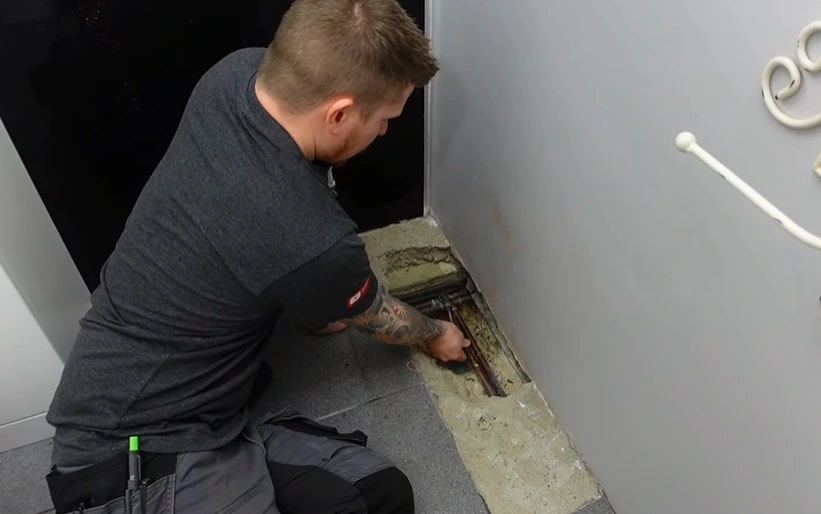
Rerouting is the option that usually avoids the slab, because the new line is run through walls or the attic instead of under the floor. That is why it comes up so often when a leak sits under a room that would be costly or disruptive to open.
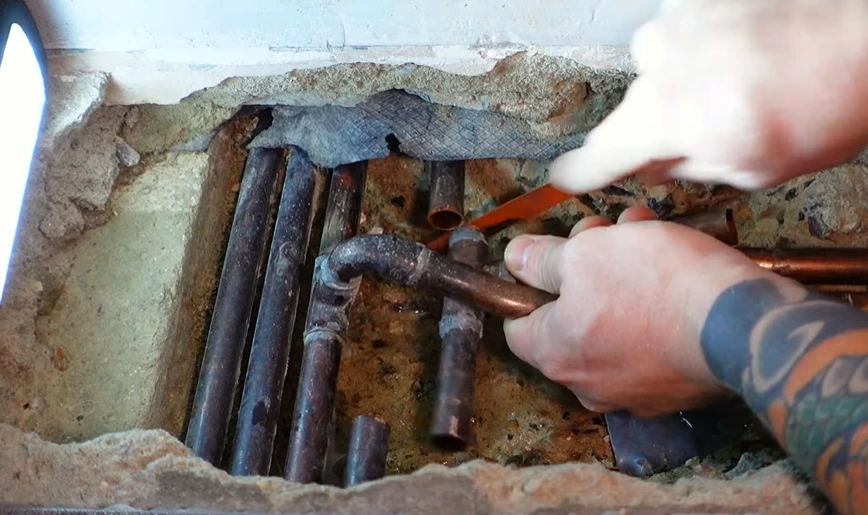
When a pipe is repaired in place, the opening is kept as small as the location allows, and the floor and slab are restored afterward. Neither approach is universally better. It comes down to the layout of your plumbing and where the leak is.
Overhead rerouting
Overhead rerouting has real advantages. The slab stays intact, and pipes in an attic or wall are easier to reach if they ever need work again. The trade-offs are that the route has to be workable, the pipes will run somewhere new, and the old line stays in the slab, out of use.
Some homes have a layout where this is straightforward, and others make it difficult. A good technician looks at your house before recommending it, and explains what the alternative would involve.
What happens
The details vary with the option you choose, but the sequence is usually the same.
The leak is pinpointed and the affected line is confirmed before anything is opened.
The options are explained, with the scope and price, before any work starts.
The floor and work area are protected while the pipe is repaired, rerouted or replaced.
The repair is tested and checked before we leave, and the opened area is closed up.
Timing
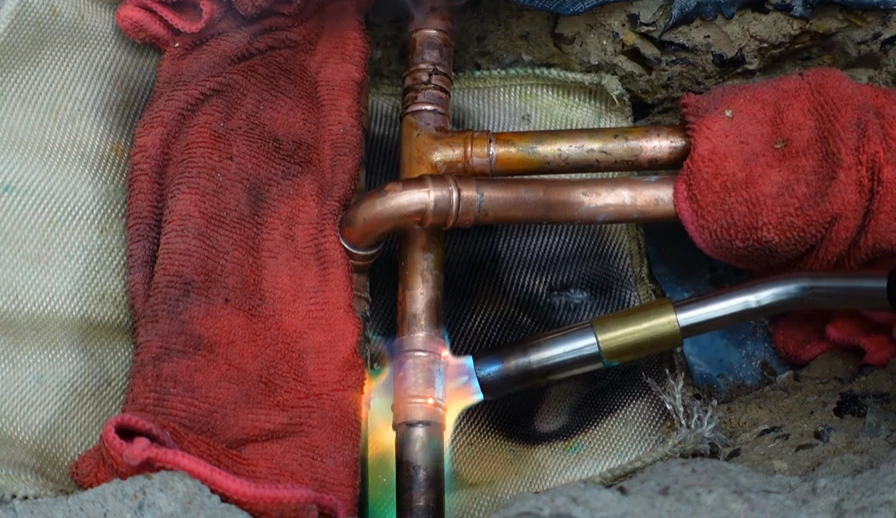
The main things that change the schedule are the option chosen, how easy the plumbing is to reach, the number of lines involved and the flooring or concrete that has to be restored afterward. A spot repair is normally the quickest, and a repipe touches the most plumbing.
Ask for a timeline for your home before you approve the work, including how long the water will be off and when floors will be usable again.
Decision
Waiting rarely helps. A leak under the slab keeps running whether or not you can see it, so the cost of doing nothing continues to build in water usage and in the risk of damage to flooring and the surrounding area. Repair options and prices vary, so it is reasonable to compare more than one approach before you decide.
What you get for the money also differs between options. A spot repair addresses the leak that was found, while rerouting or repiping can change how much of the plumbing you have to worry about afterward. For what drives the price, see our guide to slab leak repair cost, and for whether any of it might be covered by your homeowners policy, see our guide to slab leak insurance.
Do it yourself
There are things worth doing yourself while you wait for a technician: shut off the main valve if water is spreading, move belongings away from wet areas, photograph any damage and note when you first noticed the signs. Our guide to slab leak symptoms explains what to record.
Opening a floor or slab yourself to look for the leak is not recommended. It rarely finds the leak and can add repair work.
Local context
Leak Finders locates the leak first, explains the options and the price before any work, and tests the repair before we leave. We work in Apache Junction and nearby communities, including Gold Canyon, San Tan Valley and Eastmark. See our leak detection and repair services or the full list of service areas.
After the leak is located, it is fixed by repairing the pipe at the leak, rerouting the line around the slab or repiping a larger part of the plumbing. Which method is used depends on the leak, the condition of the pipes and your plans for the home.
Sometimes. Rerouting moves the affected line out of the slab, so the concrete may not need to be broken. Repairing the pipe in place usually means opening the slab at the leak. What is possible depends on the plumbing layout.
There is no single right answer. A spot repair can suit one leak in sound pipe, rerouting suits a hard-to-reach or repeat leak, and repiping is worth considering when the plumbing is failing in more than one place. Ask your technician to explain why an option fits your home.
Not always. Overhead rerouting can avoid breaking the slab and keeps the new line accessible, but it needs a workable route and changes where the pipes run. Compare it with repair and repiping for your specific home.
A spot repair is usually the shortest job, rerouting takes longer and a repipe takes the longest. Your technician can give you a schedule before work starts, and restoring flooring or concrete can add time.
Keep reading
Need a repair plan?
Call the dispatcher and tell us where the leak is or what you have noticed. We will explain the repair options, the scope and the price before any work begins.

Talk with the local team
Call or email us with what you have found. We respond quickly and are available 24/7.