
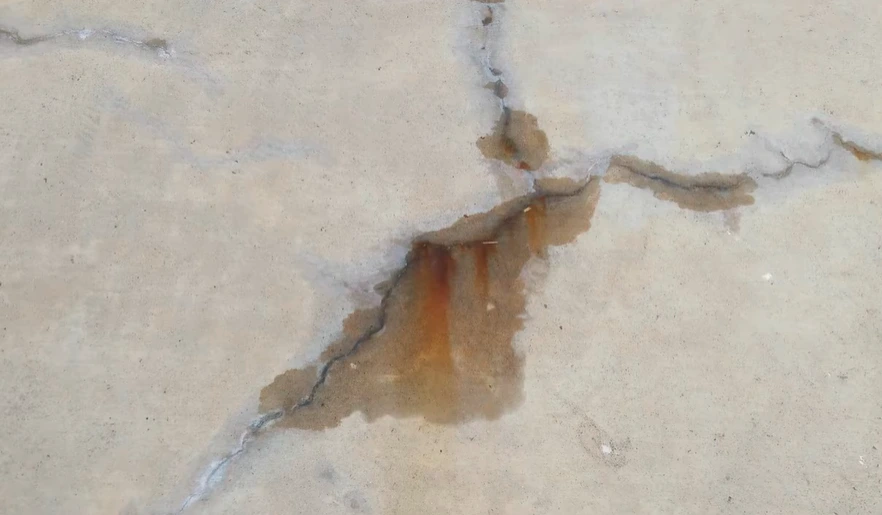
Slab leak damage
Slab leak damage: what it can affect and how fast
A slab leak does more than waste water. Left running, it can affect flooring, drywall and, in more serious cases, the foundation itself. This page covers what a slab leak can damage, how quickly that damage tends to happen, and what to do once a leak is confirmed.
Live dispatcherUpfront optionsBacked workmanship
Quick answer
What kind of damage can a slab leak cause?
Short answerA slab leak can damage flooring, drywall and baseboards near the leak, and in more serious cases it can erode the soil that supports the slab. How much damage occurs depends mainly on how much water escapes and how long it runs before the leak is found and repaired.
Some slab leaks are found early and cause little more than a higher water bill. Others run for months and reach the flooring, drywall and even the soil under the foundation. This page walks through what can be affected, roughly how fast, and what to do next. For the signs that point to a leak in the first place, see slab leak symptoms.
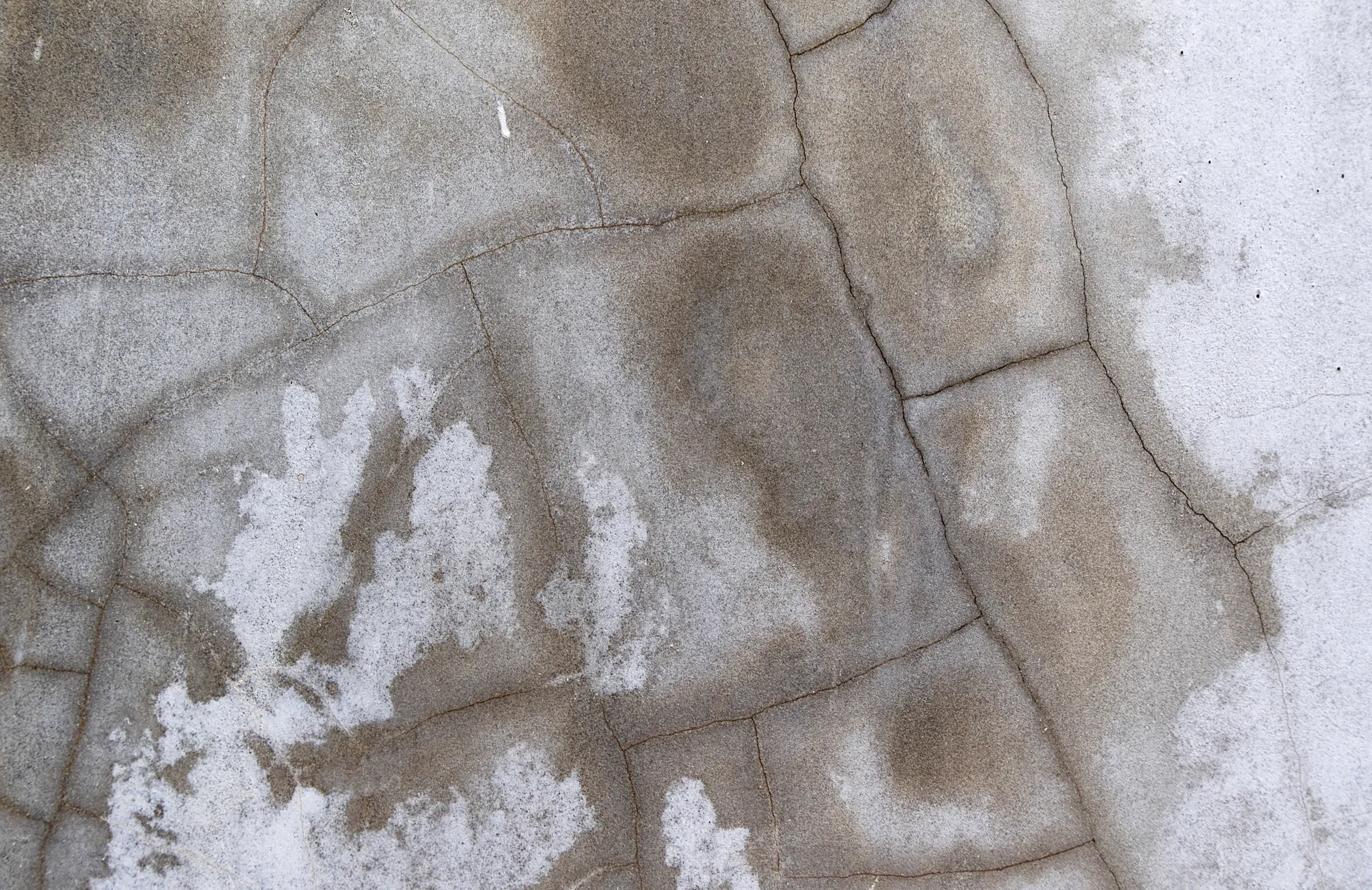
Foundation
Can a slab leak damage the foundation?
Short answerA slab leak can affect the foundation in more serious cases, mainly by eroding the soil beneath the slab, which can lead to settling or cracking over time. This is more likely with a leak that has run for a long time undetected than one that is caught early, and not every slab leak reaches this point.
Concrete slabs rest on soil that is graded and compacted to support them. A leak that runs for a long time can saturate and erode that soil, and once the support underneath changes, the slab can settle unevenly or crack. This is a slower process than the leak itself, and it is not the outcome for every slab leak.
It is one of the reasons detection matters even when a leak seems minor. A leak found and repaired early rarely gets anywhere near affecting the foundation; one that goes unnoticed for a long stretch has more opportunity to.
Mold & water damage
Can a slab leak cause mold or water damage?
Short answerYes. Water trapped under flooring or inside a wall cavity creates the moisture mold needs to grow, and it can also warp wood, stain drywall and ruin carpet and pad. How much happens depends on how long the area stayed wet, which is why drying it out quickly after a repair matters.
Slab leaks often stay hidden under flooring, which means the moisture they create can sit against wood, carpet pad or drywall for a long time before anyone notices. That trapped moisture is exactly the condition mold needs, and it is also what causes wood to warp, drywall to stain, and carpet to smell musty even after the surface looks dry.
Once a leak is repaired, drying out the affected area fully, not just letting it air out, is what limits how much of this actually takes hold.
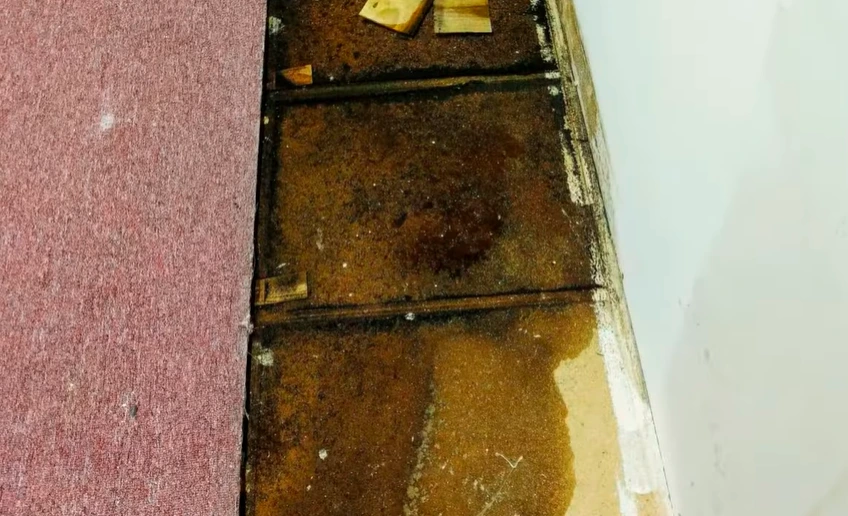
Flooring
Can a slab leak damage flooring?
Short answerIt can, and different flooring reacts differently. Wood and laminate tend to warp, cup or buckle. Carpet and pad soak up water and can hold moisture underneath. Tile resists water better on the surface, but the grout, subfloor and adhesive beneath it can still be affected by a leak running underneath.
Flooring is usually the first thing affected, since it sits directly above the slab. Solid wood and laminate are the most sensitive, warping or cupping as they absorb moisture from below. Carpet and pad soak up water like a sponge and can stay damp long after the surface feels dry.
Tile and stone are more forgiving on the surface, which is part of why a leak under tile can run longer before anyone notices. The grout lines, subfloor and adhesive underneath are still exposed to the same water, even if the tile itself looks unaffected.
Timeline
How quickly can a slab leak cause damage?
Short answerThere is no fixed timeline. A small, slow leak might take weeks or months to cause visible damage, while a larger break can soak flooring and drywall within days. The volume of water and how long it runs before detection matter more than any general rule about how fast damage appears.
The honest answer is that it depends on the leak, not on a general rule. A pinhole leak in a low-traffic area might take weeks or months to show up as anything more than a slightly higher bill. A cracked or burst fitting can push enough water into flooring and drywall to cause visible damage within days.
Because there is no way to know in advance which kind of leak you have, the practical response is the same either way: check it out rather than wait to see how fast it develops.
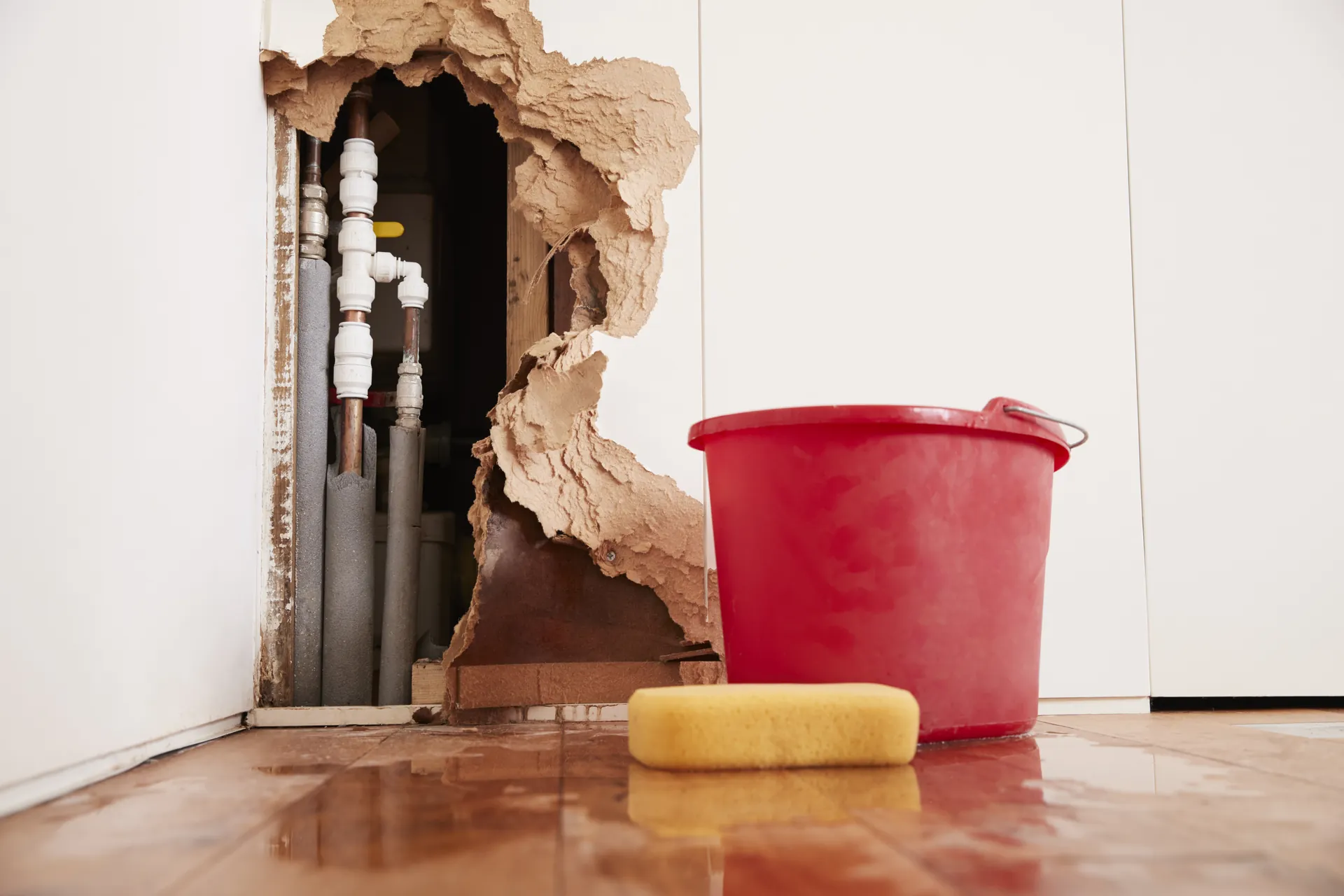
What to do
What should you do about water damage from a slab leak?
Short answerStop the source first, which means having the leak found and repaired rather than just drying up what has surfaced. Once the leak is addressed, wet flooring, baseboards and drywall need to dry out or be replaced, and more extensive damage may call for a water-damage restoration company.
Fixing the visible damage before the leak itself is addressed does not solve anything, since the same area will keep getting wet. The leak needs to be found and repaired first; our detection guide and repair options guide cover how that process works.
After the leak is stopped, flooring, baseboards and drywall that got wet need to dry out fully or be replaced if they are warped, stained or starting to smell. For damage beyond a small area, a water-damage restoration company can dry out the space properly and check for anything that is not obvious from the surface.
Small leaks
Can a small leak cause serious damage?
Short answerYes. A small, slow leak that runs undetected for months can cause as much cumulative damage as a larger leak that gets caught and fixed quickly. Time matters more than the size of the leak, which is part of why signs like a rising water bill are worth checking rather than ignoring.
It is easy to assume a small, slow leak is not worth worrying about, but time works against that assumption. A leak too small to notice day to day can still run continuously for months, and the total amount of water it releases over that stretch can add up to as much damage as a much larger leak caught within a few days.
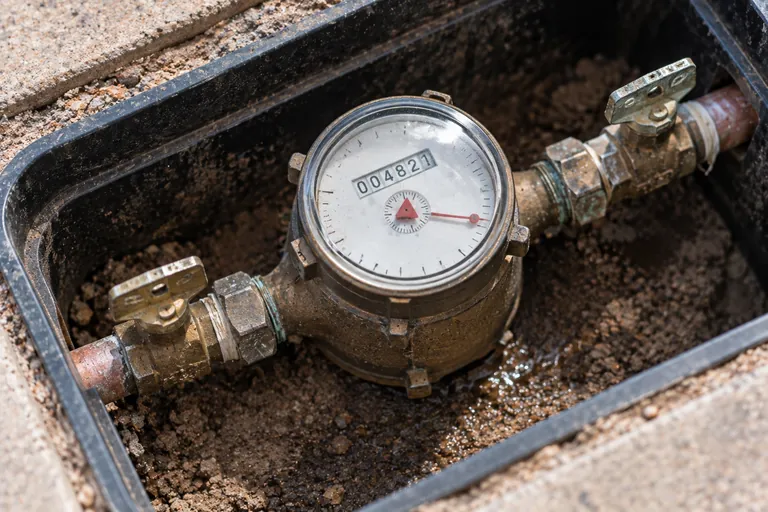
That is why signs like a rising water bill or a water meter that will not stop moving are worth checking even when nothing looks obviously wrong. See slab leak symptoms for the full list of what to watch for.
Going unrepaired
How long can a slab leak go unrepaired?
Short answerThere is no safe length of time to leave a slab leak unrepaired. The longer it runs, the more it can cost in wasted water and the more damage it can cause to flooring, drywall and the area around the slab. Once a leak is confirmed, it is worth scheduling repair promptly.
There is no set number of days or weeks that makes a slab leak safe to leave alone. Every day it runs adds to the water and energy it wastes, and it keeps the surrounding flooring, drywall and soil exposed to moisture. The risk grows the longer it continues; it does not level off at some point.
Once a leak is confirmed, the practical move is to have repair options explained and scheduled rather than waiting for a specific sign that it has become urgent.
Local context
Slab leak damage in Apache Junction
Leak Finders inspects and repairs slab leaks across Apache Junction and nearby communities, including Gold Canyon, San Tan Valley and Eastmark. Catching a leak early is the single biggest factor in how much damage it causes. See the full list of service areas.
Can a slab leak damage the foundation?
In more serious cases, yes, mainly through soil erosion beneath the slab that can lead to settling or cracking over time. This is more likely with a long-running, undetected leak than one caught early, and not every slab leak reaches this point.
Can a slab leak cause mold or water damage?
Yes. Trapped moisture under flooring or inside a wall can support mold growth, and the water itself can warp wood, stain drywall and ruin carpet. How much happens depends on how long the area stayed wet.
Can a slab leak damage flooring?
It can, and different flooring reacts differently. Wood and laminate tend to warp or buckle, carpet and pad soak up water, and tile can look fine on the surface while the subfloor and grout underneath are affected.
How quickly can a slab leak cause damage?
There is no fixed timeline. A small, slow leak may take weeks or months to show visible damage, while a larger break can soak flooring and drywall within days. Volume and detection speed matter more than a general rule.
How long can a slab leak go unrepaired?
There is no safe length of time. The longer it runs, the more it can cost in wasted water and the more damage it can cause to flooring, drywall and the area around the slab.
Keep reading
Related guides
Worried about existing damage?
Get the leak confirmed before it costs more.
Call the dispatcher and describe what you're seeing. We will explain the tests that fit your situation and the options before any work begins.

Talk with the local team
Request a slab leak inspection
Call or email us with what you have noticed. We respond quickly and are available 24/7.