Higher water bills
A bill that rises with no change in how your household uses water is often the first clue.
Slab leak signs
Water lines that run in or under a concrete slab can leak without leaving a puddle. These are the signs homeowners in Apache Junction most often notice, how to check them yourself, and when it is time to have the leak tested.
Quick answer
Most of these signs have other possible causes, from a running toilet to a broken irrigation line. What makes a slab leak worth taking seriously is the pattern: two or more signs together, or one sign that stays after you have ruled out the simple explanations. The sections below explain what each sign usually means and how you can check it before you call.
The warning signs
These six signs cover most of what homeowners report. Each one has ordinary explanations too, which is why the checks below matter.
A bill that rises with no change in how your household uses water is often the first clue.
The meter keeps registering water after every fixture and appliance has been turned off.
A hiss, trickle or rushing sound you can hear in a quiet house, especially at night.
One patch of tile or flooring that stays warm, which can point to a leaking hot-water line.
Wet carpet, damp grout, lifting tile or a stale smell near baseboards.
Weaker flow at several fixtures without an obvious cause.
Water bill
Look at the usage figure on the bill, not just the dollar amount, and compare it with the same month last year. Summer watering, pool top-ups, guests and a new appliance can all explain a jump. If usage is up and you cannot account for it, run the meter check in the next section.
A leaking irrigation line or pool can raise usage in exactly the same way, so it helps to rule those out first. Our pages on irrigation system leak detection and pool leak detection explain how those leaks are found.
Water meter
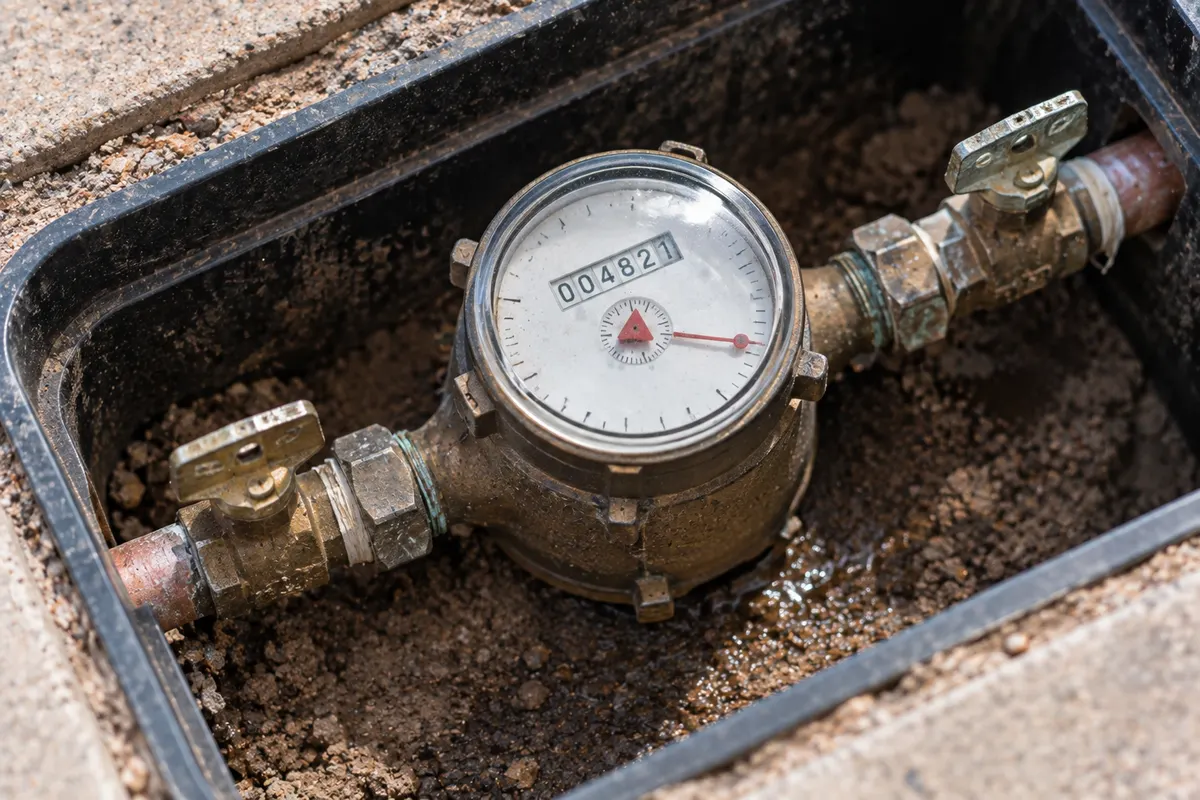
A simple meter check separates a real leak from normal use. Here is how to do it:
If your home has a main shutoff valve, closing it and checking the meter again helps show whether the water is escaping before or after that valve. A meter that keeps moving with the valve closed points to a leak on the supply side of the valve. A meter that stops points to a leak in the plumbing beyond it, which is where a slab leak would be.
Sound
Listen when the house is at its quietest, such as late at night or early in the morning, and check the obvious places first. Toilets that refill on their own are a common source. Adding a few drops of food coloring to a tank and waiting without flushing shows whether the flapper is leaking into the bowl.
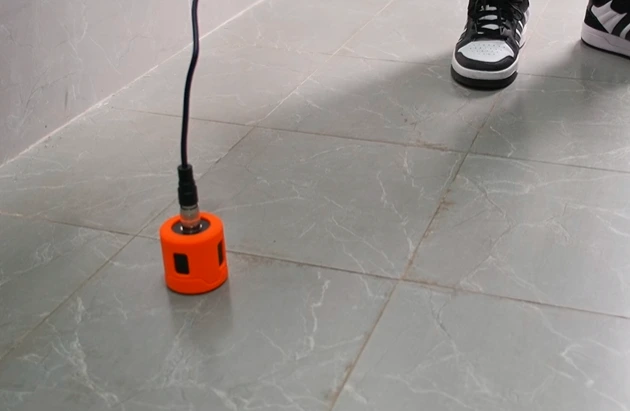
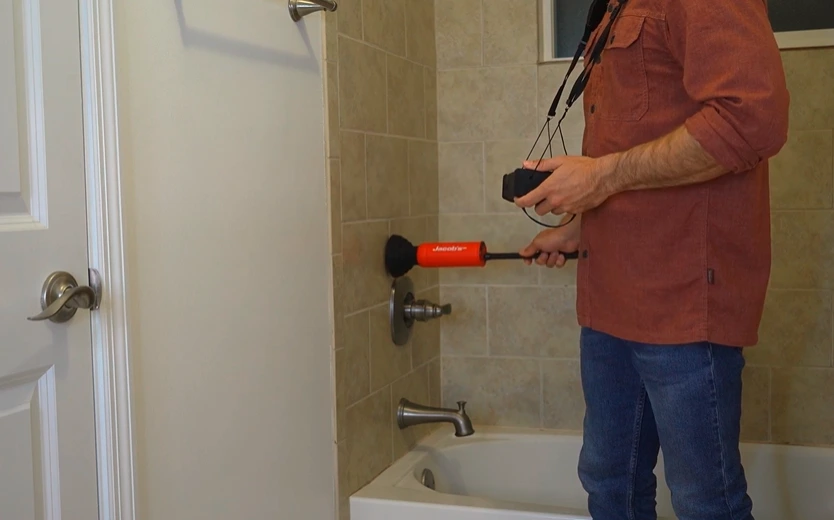
If the sound seems to come from the floor or a wall with no fixture nearby, it is worth having the line listened to. Sound alone cannot tell you where a leak is, which is what electronic and acoustic leak detection is designed to do.
Warm floors
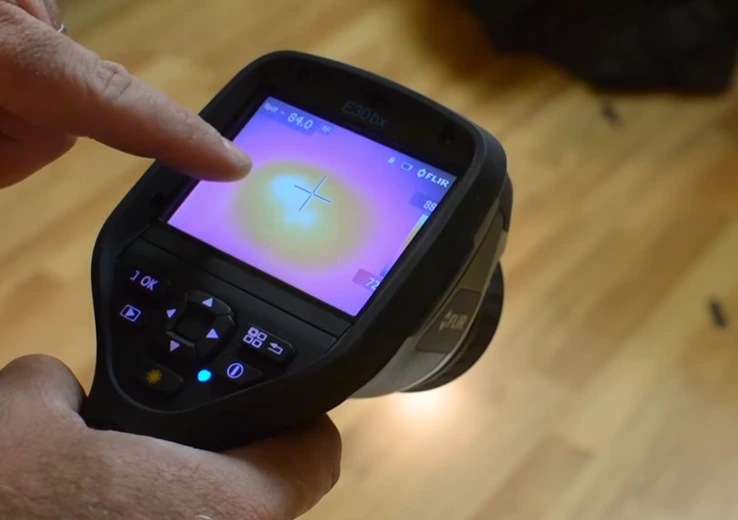
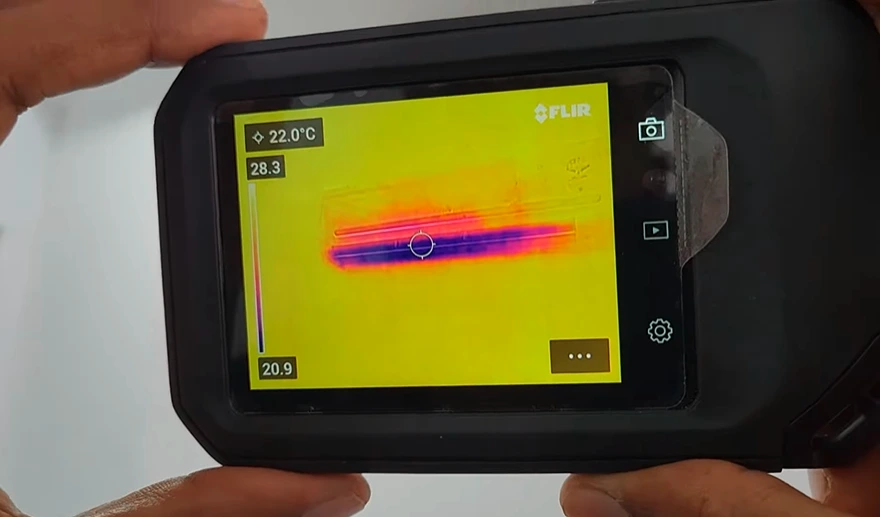
When a hot-water line leaks under a slab, the water can warm the concrete around it, and the warmth shows up through tile or flooring as one patch that feels different underfoot. It often shows up barefoot before anything else does.
Because so many things can warm a floor, a warm patch should be confirmed rather than assumed. Thermal imaging can show temperature patterns across a floor without opening it, which helps decide whether a leak is likely and where to focus testing.
For more on what makes a hot-water leak specifically different, see our guide to the hot-water slab leak.
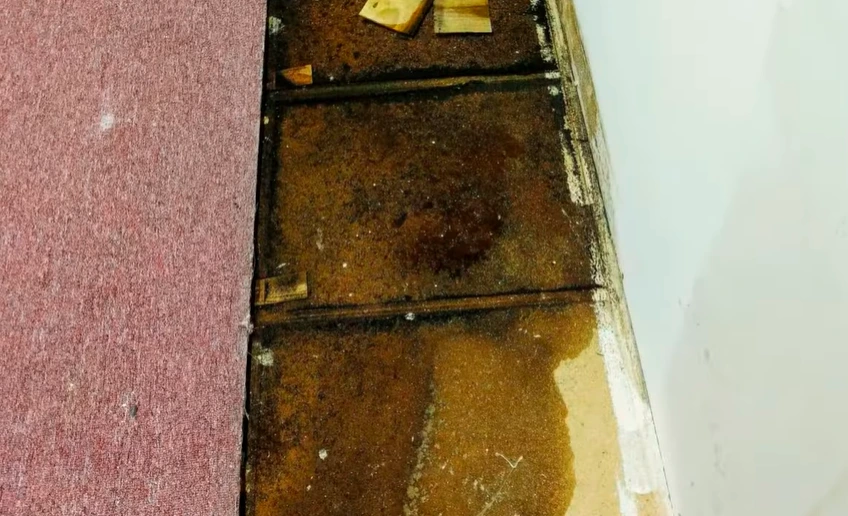
Damp floors
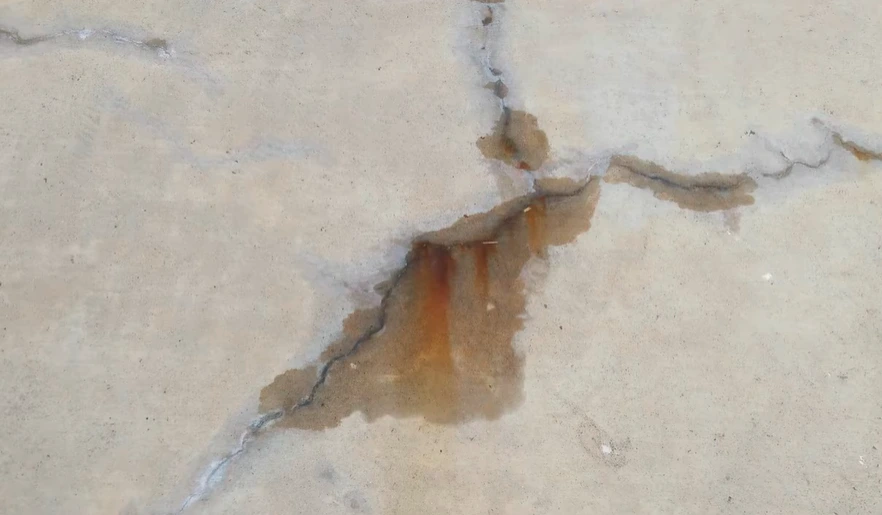
When it does, the signs are usually gradual rather than a sudden puddle:
Where water appears is not always where the pipe is leaking, because water travels along the path of least resistance. Cutting into flooring rarely finds the leak and can add repair work, so it is better to locate the leak first. See our guide to slab leak damage for what prolonged exposure can affect beyond the flooring itself.
Water pressure
Low pressure has many causes, including a clogged aerator, a partly closed valve or a supply problem, so check whether it affects one fixture or the whole house. A drop across the house is more meaningful than a weak faucet in one room.
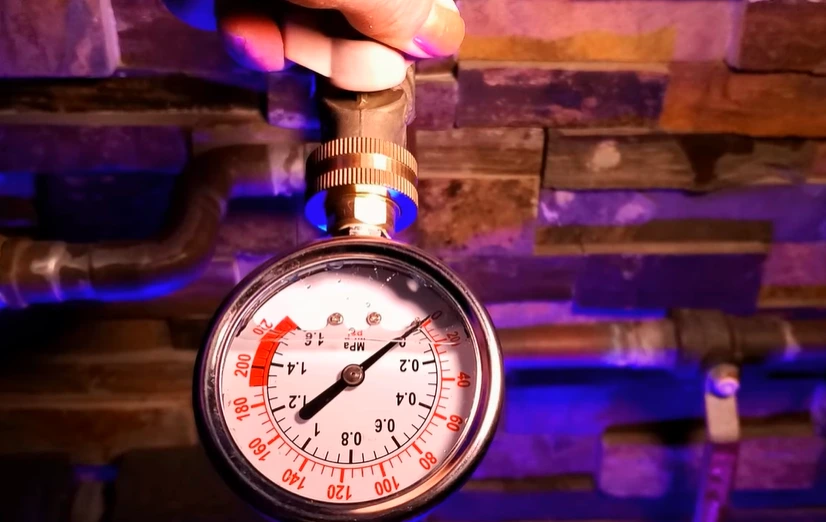
Pressure that is too high is worth checking as well. A pressure gauge on an outdoor hose bib shows your static pressure, and a plumber can check the regulator if it reads high. When a leak is suspected, pressure testing for hidden leaks is one of the ways to confirm it.
Next steps
You do not need to open anything up. A few checks and a clear note of what you have seen make testing faster.
Check toilets, faucets, irrigation timers and pool auto-fill before assuming a slab leak.
Confirm the meter moves with every fixture off, and write down the readings.
Record where the sign appears, when it started, and whether the warmth or sound is tied to hot water.
Locating the leak first keeps repairs targeted. If water is actively flooding, shut off the main valve and call right away.
Local context
Many homes in Apache Junction and the surrounding communities are built on concrete slabs, and in some of them the water lines run in or beneath the slab, out of sight. When one of those lines leaks, the first clues are usually the ones on this page rather than a visible puddle.
Leak Finders serves Apache Junction, Gold Canyon, San Tan Valley, Eastmark and nearby communities. You can see where we work on our service areas page, or read about slab leak detection in Gold Canyon and San Tan Valley. To see what testing involves, read how professional slab leak detection works. If water is already coming up or spreading, our emergency leak repair line is open around the clock.
Common signs are a rising water bill, a water meter that moves when everything is off, warm spots on the floor, the sound of running water, damp or lifting flooring and lower water pressure. Two or more signs together are more meaningful than any single one.
Look for the signs above, then run a meter check with every fixture off. If the meter still moves after you have ruled out toilets, faucets, irrigation and pool lines, professional testing can confirm whether the leak is under the slab.
Not necessarily. It means water is escaping somewhere in the plumbing. A slab leak is one possibility, but toilets, faucets and irrigation or pool lines are easier to check first.
Yes, an unexplained rise in usage can point to a leak under the slab. Seasonal use, irrigation and pool refills can raise a bill too, so compare gallons used with the same month last year.
It can be, especially if the warm area stays warm and a hot-water line runs beneath it. Sunlight, ducts and nearby appliances can also warm a floor, so a warm spot should be tested, not assumed.
Pressurized water escaping from a pipe, or a toilet or valve that keeps refilling, can make a hiss or trickle. Check toilets first; if the sound seems to come from the floor or a wall, an acoustic leak detector can locate the source.
Keep going
Not sure what you are seeing?
Tell us what you are noticing. We can talk through the signs, and if testing makes sense we will explain the options and the next available window before any work starts.
Talk with the local team
Call or email us with what you have noticed. We respond quickly and are available 24/7.