
Water Heater Running Constantly? A Hidden Slab Leak May Be the Cause
Your water heater runs nonstop but you barely used any hot water? A leaking hot-water line under the slab may be the cause. Learn the rule-out checks before you pay for a new heater.
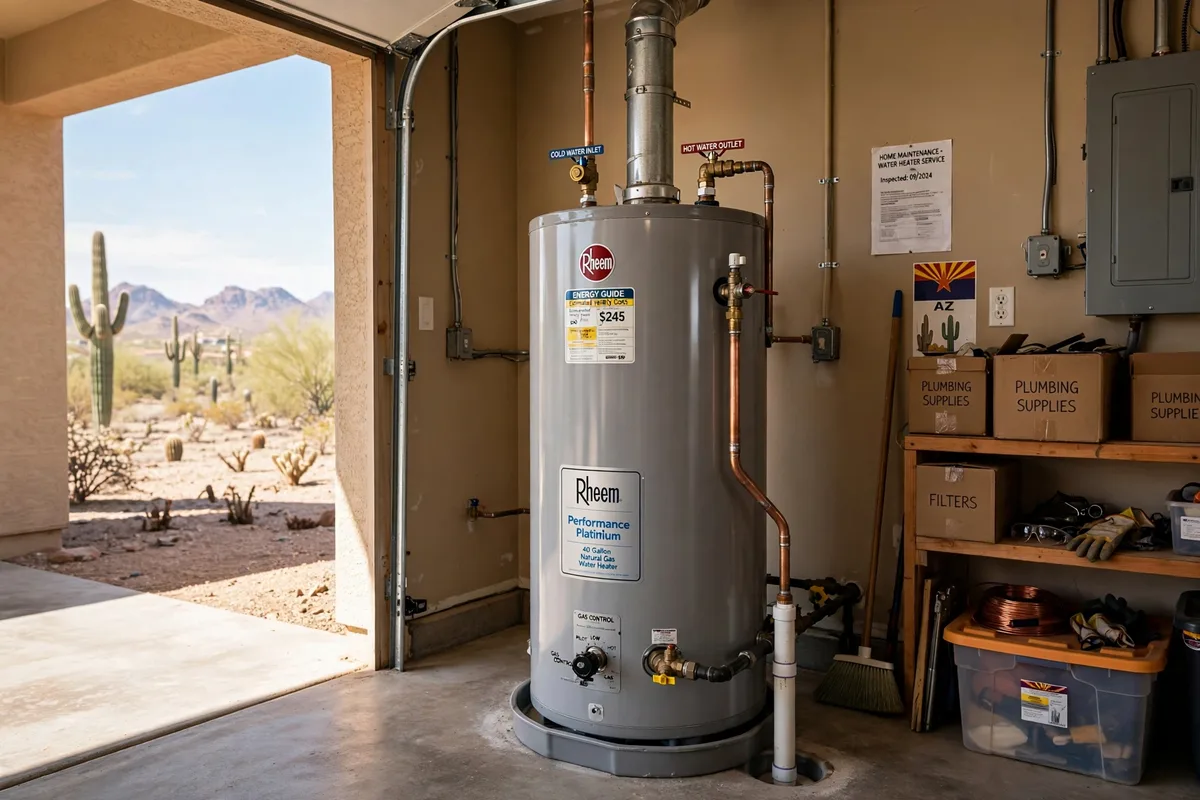
The short answer: a water heater that never stops is telling you hot water is going somewhere around the clock. The most overlooked cause is a hot-water line leaking under the slab: the leak drains the tank continuously, so the burner or element runs nonstop replacing the lost heat. Before you pay for a new heater, rule out the leak.
Under normal use, a water heater should run for about 15 to 20 minutes after a shower or a dishwasher cycle, then shut off until the next demand. Constant running means continuous demand: something is pulling hot water out of the tank all the time. Most homeowners assume the heater itself is failing, and plenty buy a replacement they did not need. A hot-water slab leak is the hidden demand almost nobody thinks to check, and it works exactly like a faucet left open under your floor.
Why a constantly running water heater points to a leak
A storage water heater has one simple job: keep 40 or 50 gallons of water at the set temperature. When hot water leaves the tank, cold water enters, and the burner or element fires until the temperature recovers. Stop the outflow and the heater goes quiet within minutes. So when it runs for hours on end, or never shuts off at all, there are only two explanations: the tank cannot hold heat, or hot water is leaving the tank as fast as the heater can make it.
The first explanation covers heater problems like a failed thermostat or heavy sediment. The second covers every continuous demand on the system, and a leaking hot-water line under the concrete slab is the one continuous demand you cannot see. A pinhole in a hot line bleeds hot water into the ground 24 hours a day, so cold replacement water flows into the tank 24 hours a day, and the heater reheats that incoming water 24 hours a day. Your gas or electric meter spins right alongside it.
First, rule out these five common causes
Replacing a water heater is expensive, and misdiagnosis is common. Walk through these checks first. Each takes a few minutes, and every one of them is a cheaper fix than a new tank.
- A failed thermostat. The thermostat is what tells the burner or element when to stop. If it fails, the heater keeps firing past the set temperature. On a gas unit, watch whether the burner shuts off when the tank reaches temperature. On an electric unit, one of two elements can fail in the on position. If the tank is scalding hot and the heater still will not stop, suspect the thermostat.
- Sediment buildup. Phoenix-area hard water leaves mineral scale at the bottom of the tank. That layer insulates the water from the burner, so the heater has to run far longer to reach temperature. If you hear rumbling, popping, or crackling while it runs, sediment is likely. Flushing the tank once a year is cheap prevention in Arizona water, but a tank already choked with scale may not recover.
- A recirculation pump stuck on. Many homes have a small pump that circulates hot water through the loop so it arrives quickly at the tap. A stuck or mis-set pump moves hot water nonstop, shedding heat into the pipes and forcing the heater to keep reheating. Listen for a hum at the pump when no hot water is in use, and check whether the timer or aquastat is calling for heat all day.
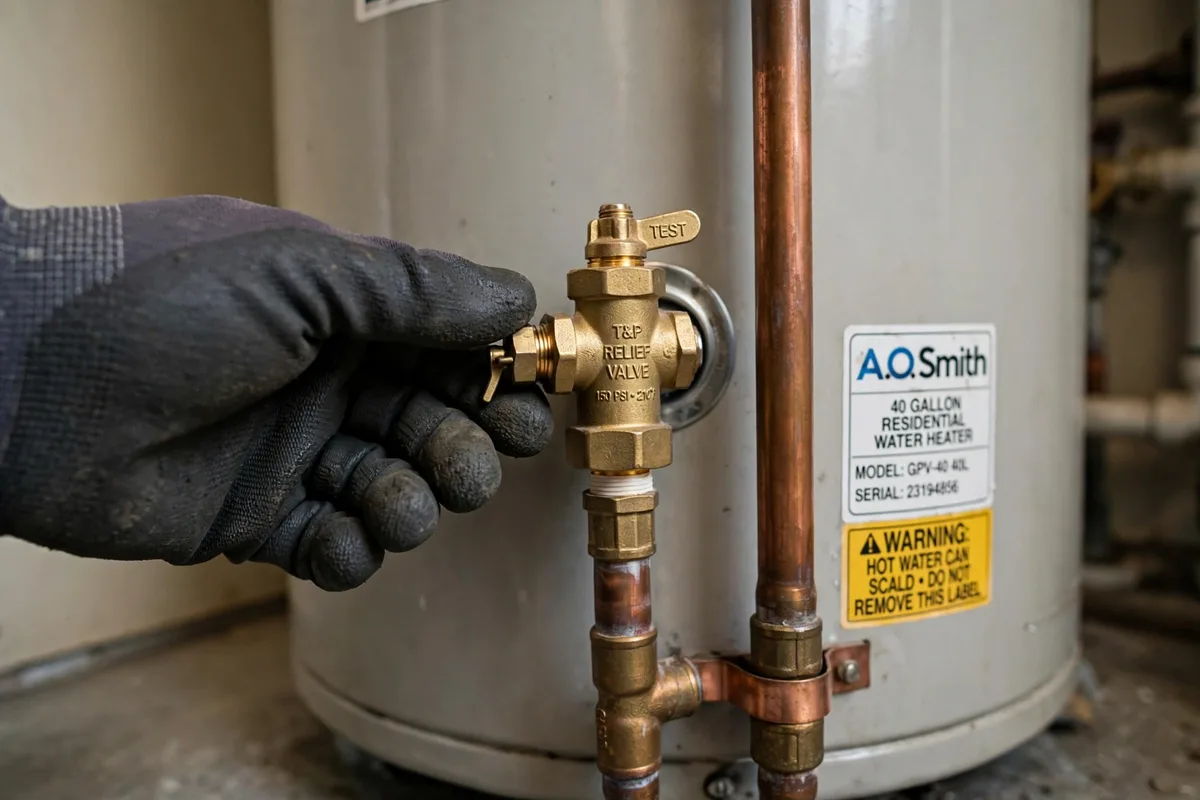
- A discharging T and P valve. The temperature and pressure relief valve is the safety valve on the side of the tank, with a discharge pipe running down toward the floor. That pipe should be dry. If it is dripping or running, hot water is escaping continuously, either because the tank is overheating or because the valve has failed open. Feel the discharge pipe: warm water confirms a live leak.
- Hot and cold crossover from a bad faucet cartridge. A worn single-handle faucet or shower cartridge can let hot water bleed into the cold line, creating a small continuous demand. Single-handle fixtures are notorious for this. If one faucet runs warm on the cold side, or hot water pressure drops at a single fixture, the cartridge is a suspect. Shut the fixture off fully and feel whether the mixed temperature persists.
The slab leak confirmation checklist
If every check above comes back clean and the heater still runs constantly, look for the slab leak evidence. A hot-water line leak under the slab leaves a pattern:
- A warm spot on the floor. Walk the tile barefoot, especially at night when the slab is cool. A persistent warm patch, often a few feet across, marks where leaking hot water is heating the concrete from below. Note that a leak under carpet hides this sign completely.
- Running-water sounds with nothing on. In a quiet house, put your ear to a wall or the floor near the water heater path. A faint hiss or rushing sound when every faucet is closed is water moving where it should not be. This is one of the classic signs of a slab leak.
- A water bill that spiked. Compare your last two or three bills. A hot-line slab leak adds continuous flow, and the jump shows up on the very next bill cycle. Check the water meter with everything off: a meter that keeps turning confirms water is leaving the house somewhere.
- A gas or electric bill that spiked at the same time. This is the double-bill signature that separates a hot-line leak from a cold-line leak. A cold leak only wastes water. A hot leak wastes water and forces the heater to reheat the replacement around the clock. Both bills climbing together is the strongest single indicator of a hot-water slab leak.

Why Arizona homes are especially prone to this
This problem clusters in Arizona for concrete reasons. Phoenix-area water is famously hard, and hardness pits copper pipe from the inside out. The pitting works faster on hot lines, because heat accelerates the corrosion chemistry, which is why hot-water leaks are often a home's first slab leak.
Apache Junction's housing stock compounds it. Most homes here went up from the 1970s through the 1990s, built slab-on-grade with copper supply lines buried in the concrete. That copper is now 30 to 50 years old, sitting in expansive clay soil that swells in monsoon season and shrinks in dry months, flexing the pipe until pinholes open. An older hot line in an Apache Junction slab is exactly where a mystery demand on the water heater usually hides.
Why leak detection should come before a new water heater
The order of operations matters, because the economics punish the wrong first move. A new water heater costs real money, and connecting it to a still-leaking hot line buys you the same constantly running heater with a newer tank. Meanwhile the leak keeps wasting water, keeps eroding soil under the slab, and keeps the repair problem growing. Detection costs a fraction of a replacement and answers the question before you spend.
Leak detection starts by pressure testing each line separately to find which line is losing pressure, then pinpoints the leak through the concrete with electronic and acoustic listening, often within inches. Compare that to a water heater install: one tells you whether you even need it, the other commits you regardless. See the typical slab leak repair costs and the full comparison of slab leak repair options to understand what fixing the leak itself involves, or read our comparison of spot repair, reroute, repipe, and epoxy lining to see what comes after the leak is found.
If the checklist above is hitting on several points, treat it as urgent. If you know how, shut off the hot-water supply at the heater; otherwise call for emergency leak repair rather than waiting for the weekend. A leak you cannot see is still draining your tank and your wallet every hour it continues. Our slab leak detection services cover Apache Junction with same-day appointments, and our slab leak FAQ answers the questions we hear most from homeowners.